Signboard Font: Casual Branding for Small Business
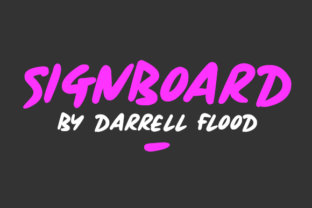
As a small business owner, I know that every visual touchpoint matters. From the logo on my website header to the sticker sealing a package, typography communicates personality before a customer even reads the text. Finding a typeface that balances professionalism with approachability is often the hardest part of building a brand identity. This is where the Signboard font becomes an essential asset in my design toolkit. Signboard is a rounded, casual display sans serif font created in a handwritten style that feels authentic rather than manufactured. For entrepreneurs managing their own branding, this typeface offers a practical solution for creating consistent, trustworthy visuals across packaging, social media, and customer-facing materials without needing a degree in graphic design.
Defining the Personality of Signboard
Signboard sits comfortably in the Script Amp category, but it defies the traditional expectations of a script or handwritten font. Unlike elaborate calligraphy that can be difficult to read at small sizes, Signboard maintains the clean structure of a sans serif while incorporating the organic imperfections of hand lettering. The rounded edges soften the overall aesthetic, making it feel friendly and welcoming. This specific mood is crucial for businesses that rely on personal connection, such as handmade product sellers, boutique owners, or local cafés. It signals to customers that there are real people behind the brand. As a premium font option, it avoids the generic look of free system fonts, giving your marketing materials a custom, high-end appearance that builds immediate trust.
Practical Applications Across Business Touchpoints
Versatility is key when selecting a creative font for a growing business. You need a typeface that works as hard as you do across various mediums. Signboard excels in several real-world applications:
- Product Packaging and Labels: For handmade candles, artisanal foods, or beauty products, legibility on small labels is non-negotiable. Signboard’s open counters and rounded forms remain clear even when printed at smaller point sizes, ensuring ingredients or product names are readable while maintaining a craft aesthetic.
- Social Media Graphics: On platforms like Instagram and Pinterest, text must be instantly scannable in a thumbnail. Signboard acts as an excellent headline font for quotes, announcements, or promotional graphics because its bold, casual weight stands out against busy backgrounds without feeling aggressive.
- Branding and Logo Design: A logo needs to be memorable. Using Signboard for a wordmark gives a startup or service provider a distinct visual signature that feels modern yet established. It pairs exceptionally well with simple iconography for a complete brand mark.
- Customer Experience Materials: Thank-you cards, unboxing inserts, and invoices are opportunities to reinforce brand loyalty. Using this handwritten style font for headers or personal notes adds a tactile warmth to transactional documents, enhancing the unboxing experience.
- Menus and Signage: For café owners or pop-up vendors, readability from a distance is vital. Signboard functions effectively as a display font for menu categories or chalkboard-style digital signage, guiding customer attention naturally.
Building Consistency and Professionalism
Inconsistent branding confuses customers and dilutes recognition. When I first started my business, I made the mistake of using different decorative fonts for every sale post, which made my feed look chaotic. Adopting Signboard as a primary display typeface helped anchor my visual identity. Because it is a display sans serif, it provides enough structure to look professional in commercial settings while retaining the charm of a script. This balance helps bridge the gap between "hobbyist" and "established business." Whether used on a website banner or a physical hang tag, the recurring use of this specific typeface creates a cohesive thread that makes the brand instantly recognizable over time.
Strategic Font Pairing for Readability
While Signboard is striking, it should not carry the entire typographic load. Effective modern typography relies on contrast. To maintain professionalism and ensure accessibility, pair Signboard with a highly readable supporting typeface. For body copy, product descriptions, or legal disclaimers, choose a clean, neutral sans serif font or a classic serif font. This hierarchy ensures that while Signboard captures attention and sets the mood, the functional information remains effortless to read. For example, use Signboard for the product name "Lavender Calm Balm" on a label, but use a simple geometric sans serif for the ingredient list and usage instructions. This pairing strategy maximizes the impact of the creative font without sacrificing user experience or clarity on mobile screens and printed packaging.
Testing Before Committing to Your Brand Identity
Before rolling out a new typeface across all design assets, practical testing is essential. What looks good on a large desktop monitor may fail on a smartphone screen or a textured paper stock. I always recommend creating mockups in real contexts before finalizing a brand guide. Print a sample label at actual size to check ink spread and legibility. View social media templates on a phone to ensure the rounded details of Signboard don't blur at low resolutions. Test the font in both light and dark modes for web design to verify contrast ratios. This due diligence prevents costly reprinting errors and ensures the font performs reliably in the hands of your customers. Remember that readability directly correlates to perceived quality; if customers struggle to read your packaging, they may subconsciously question the quality of the product inside.
Navigating Commercial Licensing for Entrepreneurs
One critical aspect of using any premium font is understanding licensing. As business owners, we must protect our ventures by ensuring we have the right to use our design assets commercially. Always verify the specific license terms for Signboard before using it on products for sale, client work, merchandise, or digital downloads. A standard desktop license might cover internal branding and social media, but selling items featuring the font (like t-shirts or mugs) often requires an extended commercial license. Respecting these terms not only supports the type designer but also safeguards your business from legal issues. Proper licensing is a hallmark of a professional operation and ensures your brand foundation is built on ethical practices.
Ultimately, typography is a silent ambassador for your business. Signboard offers a unique combination of casual warmth and structural clarity that serves the practical needs of modern entrepreneurs. By integrating this versatile typeface thoughtfully into your logos, packaging, and digital content, you create a brand experience that feels both polished and personally crafted. It allows small businesses to compete visually with larger brands while retaining the authentic character that attracts loyal customers in the first place.